

Introduction
Headquartered in San Francisco, 23andMe has been operating since 2006. The company was founded by Anne Wojcicki, Linda Avey, and Paul Cusenza. 23andMe has secured over $850 million in funding since its inception.
For readers wondering what is 23andMe, it is a genetic testing company. 23andMe positioned as a consumer DNA platform focused on ancestry, health, and genealogy-based discovery.
The company offers a variety of services, including ancestry, health, and trait analysis based on samples provided by customers using their at-home DNA testing kits. This genetic testing service relies on a saliva sample, where users spit into a collection tube and send it back for analysis. This review will investigate the 23andMe pros and cons, and whether there are better alternatives to consider.
23andMe Pros and Cons: Pros
Analysis for Ancestry and Health
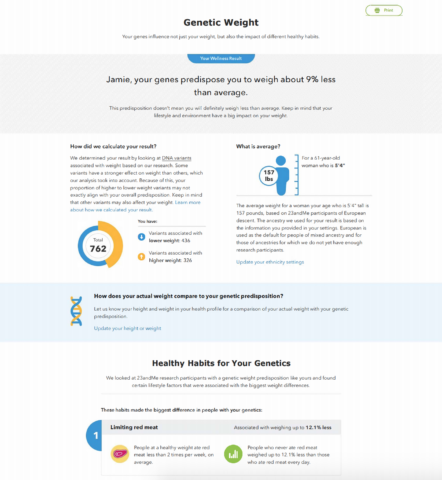
Many companies that test and analyze DNA usually only give insights based on ancestry or health exclusively. 23andMe offers both ancestry and health information to their customers. 23andMe’s most expensive offering, the 23andMe + Membership, gives users the ability to understand more about their genes, traits, and health and wellness.
These genetic reports include ancestry composition, wellness traits, and limited disease-related insights based on your genome.
Large Database
23andMe boasts a very large database, making it easier for customers to find relatives and people they may have potential genetic relationships with. Many 23andMe customers use the platform to identify relatives through DNA, uncover genetic links, and connect with extended family and friends based on shared genetics.
There are some downsides to this database in terms of privacy, which will be explained more in the Cons section of this review.
User Friendly Reports and Interface
Navigation on 23andMe’s website and reports is intuitive and easy to understand. The reports are full of visualizations and well organized. The user interface is clean and thoughtfully designed, making it accessible for the average consumer without extensive DNA-related knowledge.
Empowering Medical Research
23andMe users can consent to have their DNA data used for medical research, potentially contributing to breakthroughs in curing genetic diseases or other medical conditions. This form of genetic research has supported discovery related to disease risk, like Parkinson’s, depression, and hereditary cancers.
While this is a positive aspect of sharing genetic data, some users may have concerns about other partners that 23andMe shares customer personal data with.
23andMe Pros and Cons: Cons
Data Privacy Concerns Regardless of Consent Status
Many customers and critics agree that one of the biggest negatives of using 23andMe’s services is its data privacy policies and the sharing of genetic information. The company engages in data sharing with multiple third parties, which raises concerns about how customer genetic data may be used over time.
This data-sharing practice has sparked concern among consumer advocates, particularly regarding the long-term use and storage of genome-level data. Notably, many of the companies that 23andMe shares personal information with are pharmaceutical and biotechnology firms seeking to develop commercial products.
- Read More: What Is The Most Private DNA Test?
No Raw Genetic Data Uploading
A convenient and cost-effective option that many top genetic testing companies offer is a raw DNA data upload service. For example, SelfDecode provides an upload option that allows users to receive personalized wellness reports and recommendations based on an existing genome file.
Raw DNA data cannot be uploaded to 23andMe. As a result, potential customers must purchase a separate DNA testing kit, provide a saliva sample, wait for their data to be processed, and then view results—even if they already have a genome file. This can be inconvenient for users eager to access their insights, especially considering that the least expensive 23andMe test costs $99.
This limitation can affect consumers who want deeper genomic analysis across the full genome with other DNA-based insights platforms or who want to compare multiple genetic testing services.
Lack of Coverage for Health Related Matters
In each of the health conditions evaluated, only one or two genetic variants are analyzed. This narrow approach can limit insight into complex disease risks that are influenced by many genes rather than a single variant.
23andMe leaves out many important genetic variants in its reports that have been shown to have meaningful genetic implications for certain conditions. As a result, 23andMe’s estimates of genetic likelihood may be less comprehensive or informative for long-term health planning and preventive care.
For comparison, SelfDecode uses AI and machine learning to analyze up to 83 million genetic variants from a typical DNA file, offering much broader genome coverage.
Lack of Personalized Recommendations
While 23andMe informs users of their genetic risk, it provides little to no guidance on how individuals can reduce that risk.
This can be a drawback for consumers seeking actionable guidance related to therapy or lifestyle interventions. These reports may lack sufficient evidence to support individualized decision-making.
The action plans are not personalized to an individual’s DNA. Instead, general lifestyle tips are included in every report.
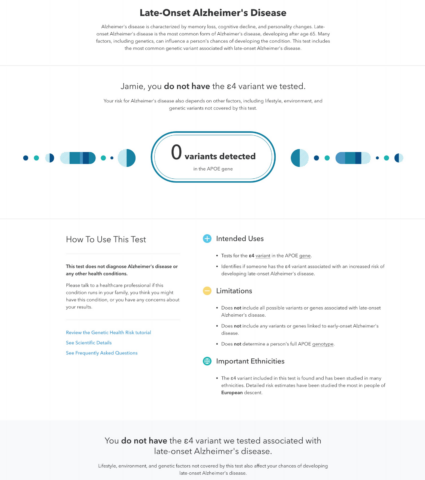
For example, 23andMe’s Late-Onset Alzheimer’s Risk report does not offer much guidance on how to alleviate risk.
Alternatives such as SelfDecode give users access to a wide variety of wellness reports that include personalized recommendations tailored to their genes and embedded scientific references supporting those insights.
Low Customer Review Ratings
Sometimes finding real customer reviews can be an insightful practice for finding the pros and cons of a given service. Here is a summary of 23andMe’s customer reviews on some popular rating sites:
Trustpilot – 1.9 out of 5 stars average rating from 145 customer reviews
Reviewers on TrustPilot are overwhelmingly unsatisfied with 23andMe, with 61% of all ratings being 1 star of 5. Most recent complaints include poor customer service and frustration with results that seem inconsistent or incorrect.
Better Business Bureau – 1.36 out of 5 stars on the Better Business Bureau from 28 customer reviews
The Better Business Bureau features another poor rating for 23andMe,
Read what people are saying about 23andMe on Twitter
Alternatives
After reviewing 23andMe pros and cons, one could consider other options for getting more out of their genetic data. There are many companies like 23andMe offering consumer genetic testing and genealogy services, including platforms similar to AncestryDNA.
For example, SelfDecode offers health-focused DNA analysis with personalized blog posts, wellness reports and recommendations. These alternatives often support deeper discovery and improved genetic research for family health and ancestry insights.
Unlike 23andMe, SelfDecode uses AI and machine learning to analyze up to 83 million genetic variants and give personalized diet, lifestyle, and supplement recommendations based on your unique DNA. With SelfDecode, you own your data, and it will never be shared or sold to any third party.
SelfDecode also offers cutting edge ancestry analysis with in-depth ethnicity percentage breakdown and ancestry composition reports. These genealogy tools allow deeper exploration of family history and connections.
The chart below shows some other alternatives to 23andMe.
Comparisons
| SelfDecode | Nebula Genomics | 23andMe | Dante Labs | |
|---|---|---|---|---|
| Personalized & holistic health recommendations | Yes | No | No | No |
| Products | DNA testing, wellness reports, research-based personalized health recommendations, lab test analyzer, ancestry | WGS, health reporting, traits, ancestry | DNA testing, traits, wellness reports, more accurate ancestry | WGS, health and fitness reporting, genetic health risks |
| Raw data upload | Yes | Yes | No | No |
| Raw data access | Yes | Yes | Yes | Yes |
| Cost (USD) | $99-$249 | $0 (limited) – $700 | $99 – $199+ | $670 |
23andMe Pros and Cons Review Summary
23andMe gives customers the opportunity to better understand their heritage and ancestry. They also provide some information about traits and wellness, but they are less personalized than some other companies.
In this article, we reviewed 23andMe pros and cons. The main positive aspects of 23andMe are that they are one of few companies that offer both ancestry and health information based on genetic data. They also boast a very large genetic database, which makes finding ancestral links much easier for their ancestry service.
23andMe does have some serious drawbacks. Namely, their data privacy policies leave many customers concerned. Their multiple partnerships with pharmaceutical companies and other biotechnology firms are concerning for many users. 23andMe can share any and all genetic information within their genetic database with these partnered companies at any time, regardless of the consent status of their users. Additionally, 23andMe does not allow users to upload raw genetic data files, causing both longer wait times and a higher price for customers.
Generally, 23andMe can be considered a good service if you are interested in getting some deep insights on ancestry and are satisfied with the potential drawbacks of other companies having access to your genetic information.
For potential customers more cautious about who they wish to share their personal information with, there are many alternatives, such as SelfDecode that will never share or sell your genetic data to any third party.
SelfDecode uses predictive algorithms to analyze around 83 million genetic variants (up to 1 million+ per wellness report), giving you the most accurate health & ancestry data based on your genetics.
Related Articles
- 23andMe Review: Traits, health, and history yes, but privacy?
- 23andMe vs Ancestry: Is There Another Alternative?
- Promethease vs 23andMe Health: Are They Worth It?
- 23andMe vs Family Tree DNA: Which One Is The Best?
- MyHeritage vs 23andMe: How Do They Compare?
- How Accurate is 23andMe?